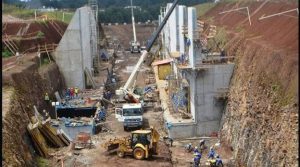
Do you know the impact of construction of dams
Table of Contents
The impact of construction of dams
Since the start of humankind on earth the human being has been struggling in order to shape the atmosphere in the manner he wants. Constructing dams have played one of the most important roles in saving and utilizing water resources. Human have started constructing dams before getting the present information and technology about auto hydro mechanics and hydrology. The impact of construction of dams has great deal of negative and positive effects on the environment along with their benefits like controlling stream regimes, preventing floods,obtaining potable and irrigation water from the stored water and generating electricity.
The location of the dams doesn’t matter as its ecological results are the same. The environmental impacts of construction of dams can be classified according to different criterions as short term and long term impacts, the impacts on the close area and the impacts on the area where the dam operates, unsocial and social impacts, harmful and beneficial impacts . These effects may be ordered in a complicated and intensive manner like social, climatic, archaeological, hydraulic, biologic, cultural, etc. In addition to their very important environmental and social benefits, it is important to reduce the negative impact of construction of dams on the environment regarding sustainable development.
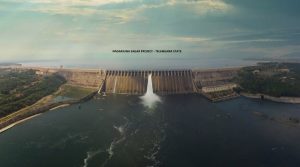
The negative and positive impact of construction of dams on the environment and atmosphere.
- While starting to prepare the water resources projects, it is very significant to clear out the environmental impacts of construction of dams when it is executed. The environmental impacts of the construction of dams are;
- As a result of construction of dams and holding of sediments in the reservoirs, Sediment feeding of d/s(downstream) channel and shore beaches is restricted and prevented. Corrosion will occur. As the transfer of sediments is cancelled by this way, the egg lying zone of the fishes living in the stream ecosystem is changed and restricted too.
- Historical and Archaeological places in company with topographical and geological places that are rare with their splendid beauties, disappear afterLying under the water reservoir.
- Temperature of water and oxygen distribution could change as consequence of water reservoir formation. This may be the reason for the generation of new living species.
- The impact of construction of dams can be seen in aquatic animals too. Reproduction of fishes is disturbed by the floods that harm the egg beds. Egg gravel beds may be destructed while coating and excavation works in the stream beds.
- As a result of drainage water returning from irrigation there will be serious impacts in the water quality that was done based on the irrigation projects. In other words, the increase in salt density and over transfer of food can create water lichens and may change water living species.
- The impact of construction of dams can Create compulsory change into existence in the agricultural habits of the humans living in this area and also in the fauna and flora
- Dams affect the cultural, social, and economic structure of the region considerably. Especially forcing humans, whose settlement areas and lands remain underwater to migrate, influence their psychology poorly and negatively.
Principal and basic benefits after the construction of dams
- Foremost important impact of construction of dam is in controlling floods. Dams remove and decreases flood effects.
- Second most impact of construction of dams is in energy sector. Hydroelectric city is the need of hour and there is huge potential in this energy as it is sustainable and long term.
- Dams provide potable water for drinking. The impact of construction of dams and canal is more important from industrial point of view as almost all industries demand on dams for water.
- Waterway transportation is also increasing because of construction of dams.
- The most critical impact of construction of dams is in irrigation aspect. Almost half of India’s farmer depend on canal irrigation for their fields and crop.
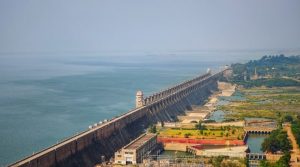
The impact of construction of dams can also be seen in
- Hydraulic system
- Atmospheric system and earth crust
- Territorial biological systems
- Aquatic and human life.